 Polski
 English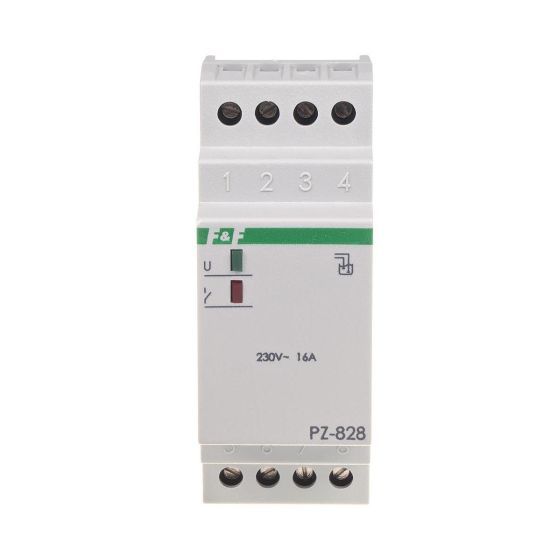
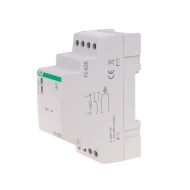
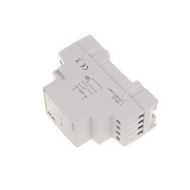
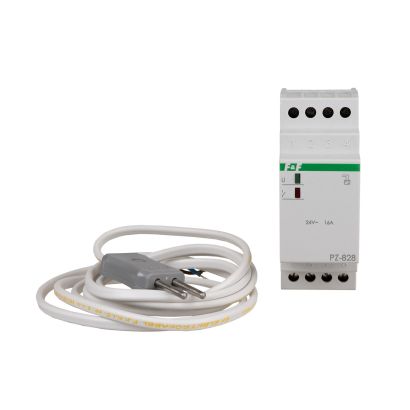
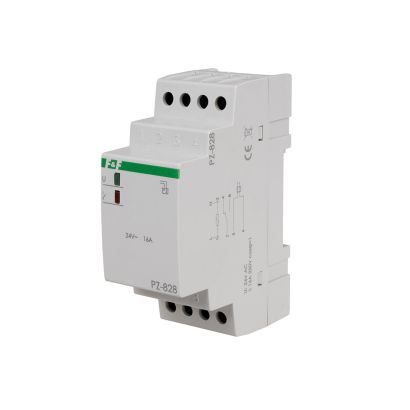
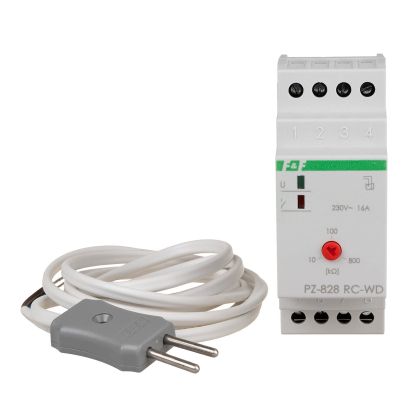
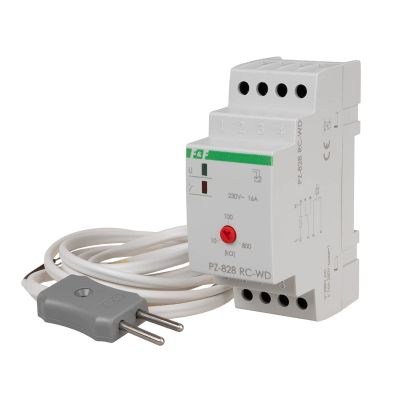
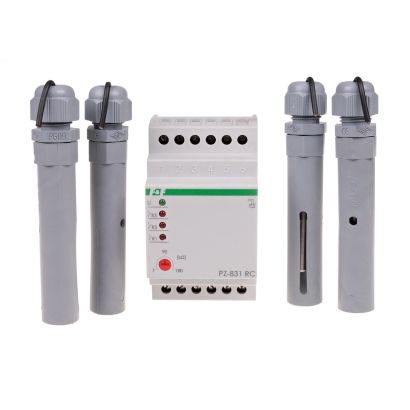
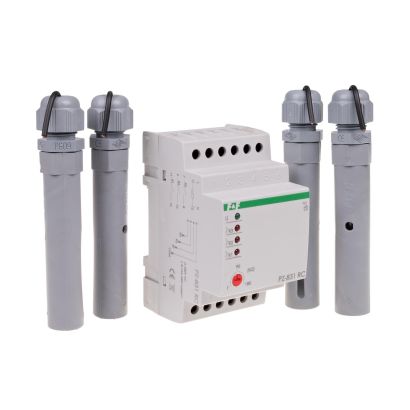
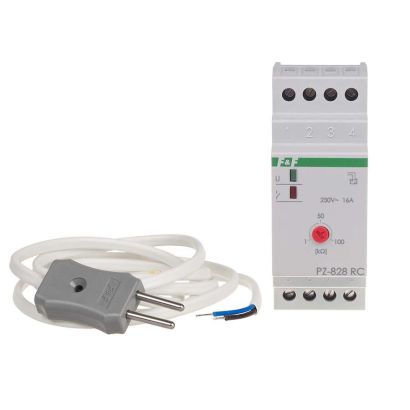
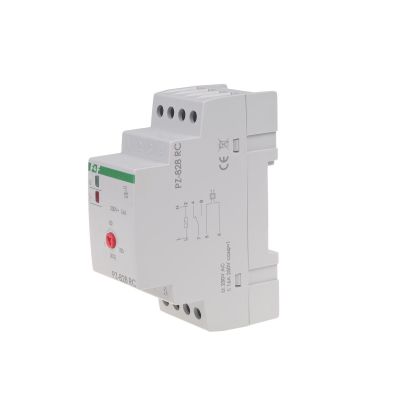
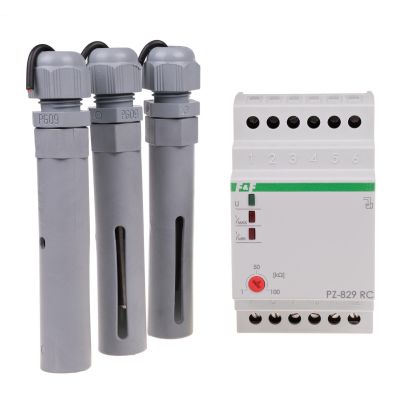
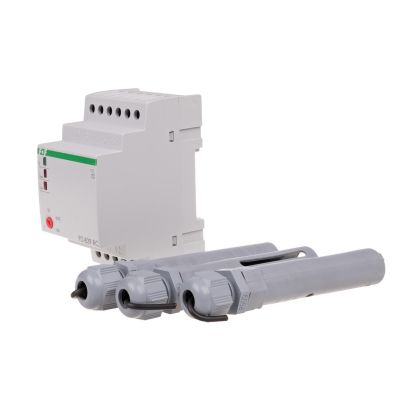
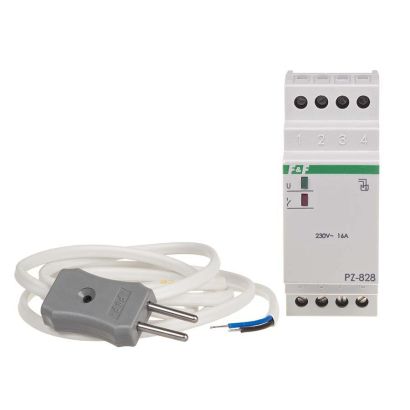
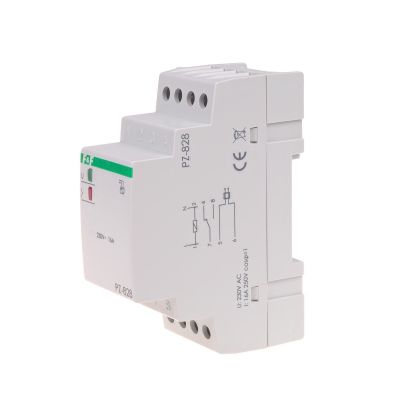
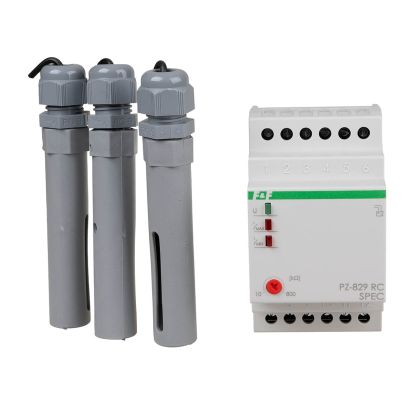
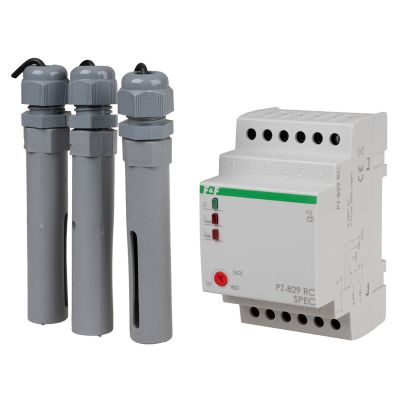
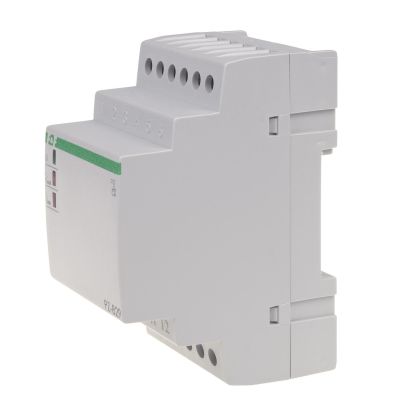
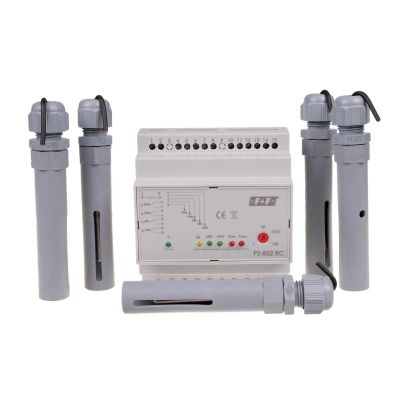
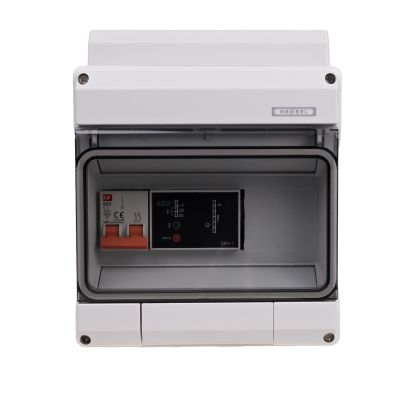
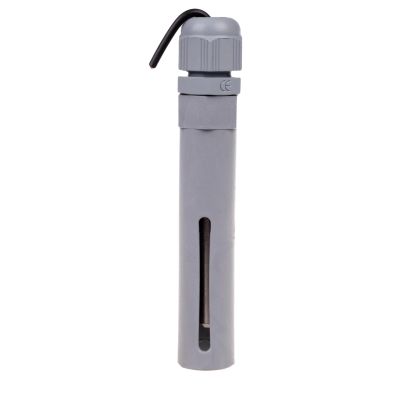
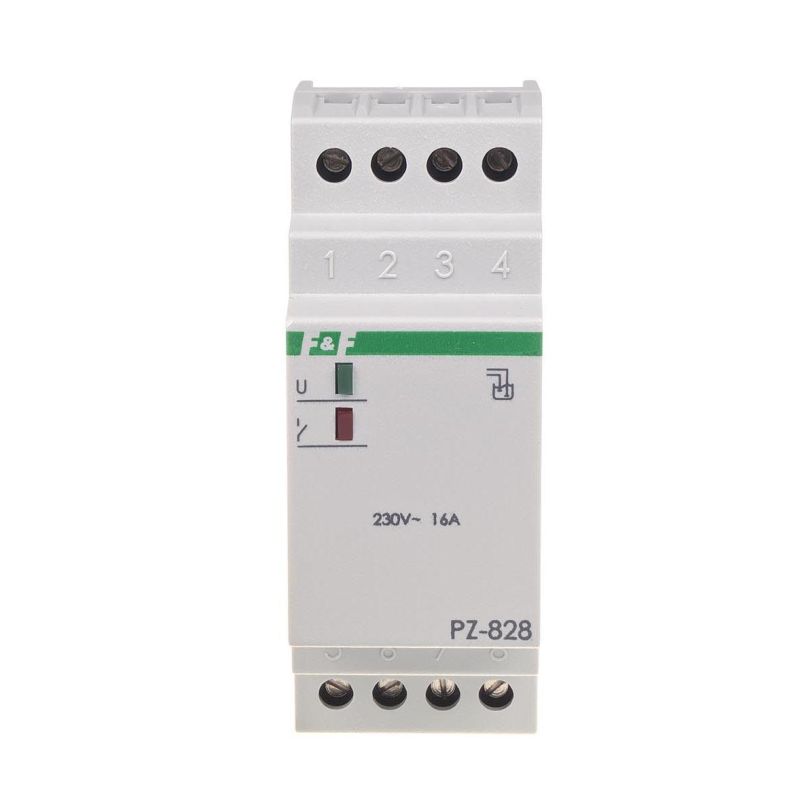
Version without a PZ probe.
Single-station.
With a factory-set fixed sensitivity setting.
Single-state relaysdetect the presence of electrically conductive liquids at the level at which the flood probe is fitted.
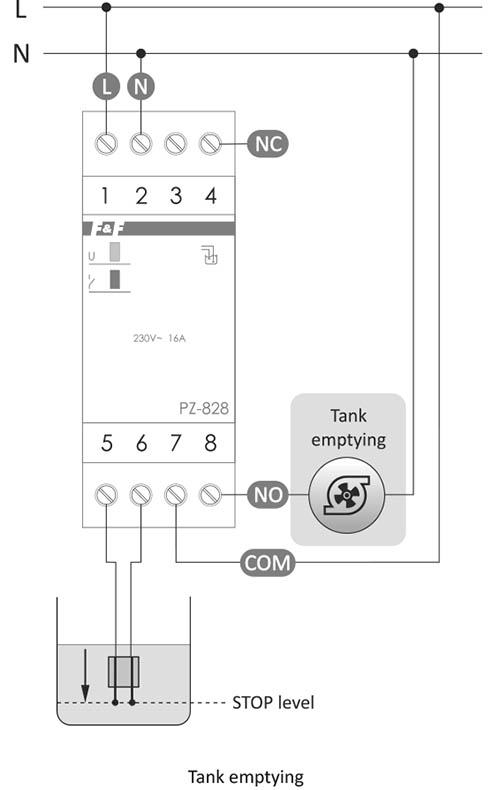
When dry, the relay contact remains in position 7-4. When the probe is submerged in liquid (i.e. the probe electrodes are short-circuited), the relay contact switches to position 7-8. Once the liquid level drops (causing the probe electrodes to open), the relay contact returns to position 7-4.
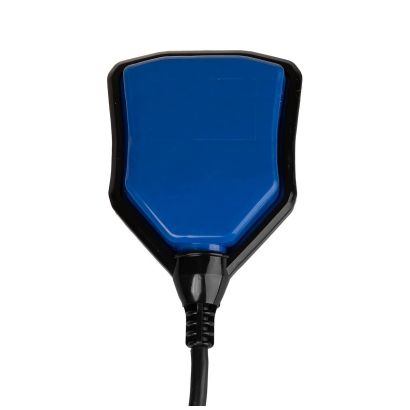
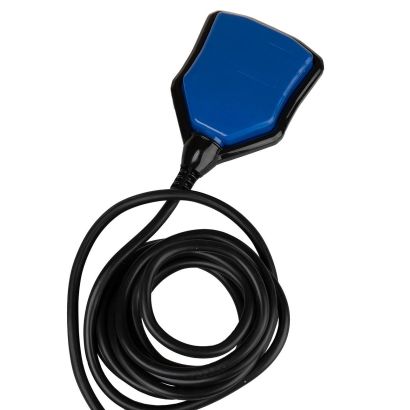
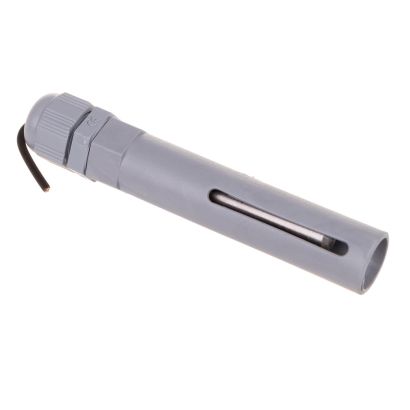
The probe’s design allows it to be mounted on a flat, horizontal surface, e.g. on the floor in a room containing water shut-off valves, flow pipes or in a laundry room. This enables rapid detection of a fault (liquid flooding of the room) whilst simultaneously switching off electrical circuits or activating an audible or visual alarm.
The probe cable can be extended up to 100 m.
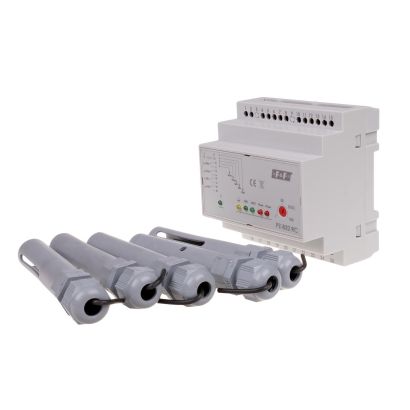
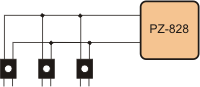
Up to 10 probes can be connected to inputs 5–6 – either in series or in parallel:
* in series – for a dependent multi-point liquid level control system – all connected sensors must short-circuit simultaneously for the relay to activate
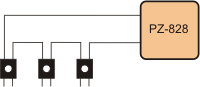
* in parallel – for an alternative multi-point liquid level monitoring system – at least one of the connected sensors must short-circuit In a series connection, the sensitivity of the sensors is reduced (conductivity decreases).
Note!
Terminals 5–6 are isolated from the mains.

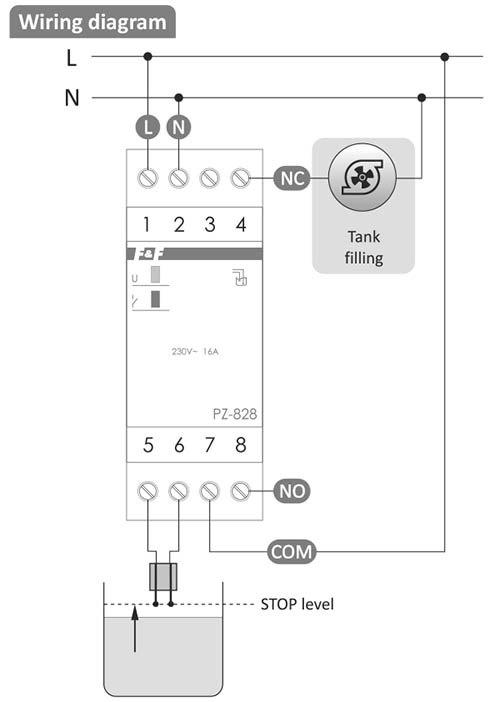
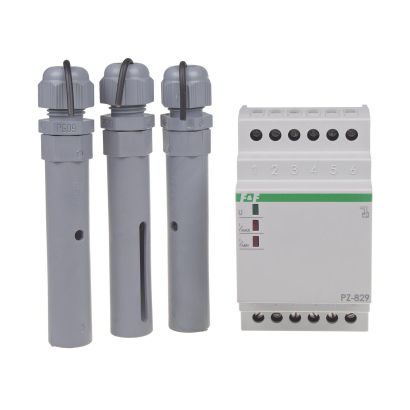
Version without a PZ probe.
Single-station.
With a factory-set fixed sensitivity setting.
Single-state relaysdetect the presence of electrically conductive liquids at the level at which the flood probe is fitted.